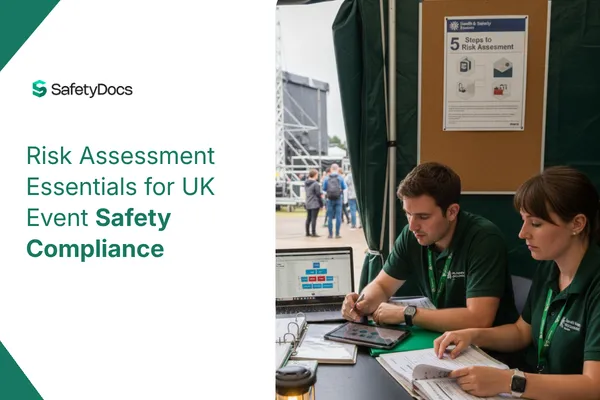
Risk Assessment Essentials for UK Event Safety Compliance
Risk Assessment Essentials for UK Event Safety Compliance
When planning a live event in the UK, ensuring the safety of attendees, staff, and performers is paramount. A critical component of this responsibility is conducting thorough risk assessments, which are a legal requirement for event organisers. Risk assessments help identify potential hazards, determine their severity, and develop strategies to mitigate them. By doing so, event organisers not only comply with UK health and safety laws but also create a safer environment for everyone involved.
In this blog, we’ll walk through the essentials of risk assessment for UK events and explain how to align your event’s safety protocols with UK event safety compliance standards.
Why Risk Assessments are Crucial for Event Safety
Risk assessments are a proactive approach to safety, designed to identify hazards before they become incidents. In the UK, conducting a risk assessment is not only a legal obligation under the Health and Safety at Work Act 1974 but also an essential part of ensuring the wellbeing of everyone involved in an event. Whether it’s a small gathering or a large festival, organisers must evaluate potential risks that could arise at the event and implement appropriate measures to address them.
The purpose of a risk assessment is to:
Identify hazards that could cause harm to attendees, workers, or performers.
Evaluate the likelihood and severity of those risks.
Develop a plan to mitigate or eliminate these risks.
Ensure compliance with legal requirements set by UK health and safety laws.
A well-conducted risk assessment helps minimise the chances of accidents, reduces the likelihood of legal issues, and improves overall event planning.
The UK Legal Framework for Event Safety Compliance
In the UK, event organisers must adhere to a range of legal requirements to ensure their event is safe and compliant with health and safety standards. Some key regulations include:
1. Health and Safety at Work Act 1974
This is the cornerstone of UK health and safety law, placing a duty of care on employers to protect the health, safety, and welfare of their employees and anyone else affected by their activities, including event attendees.
2. The Management of Health and Safety at Work Regulations 1999
These regulations require employers to assess and control risks in the workplace, which includes event spaces. It mandates the development of emergency procedures, the provision of training, and the creation of safe working practices.
3. The Purple Guide
For outdoor events, festivals, and larger public gatherings, The Purple Guide offers detailed guidance on risk assessments and event management. It provides best practices for crowd management, fire safety, and site security.
4. The Regulatory Reform (Fire Safety) Order 2005
This law outlines fire safety obligations for event organisers, including the need to carry out fire risk assessments, ensure adequate fire exits, and train staff on fire safety measures.
The Risk Assessment Process for UK Events
1. Hazard Identification
The first step in conducting a risk assessment for UK events is identifying all potential hazards. Hazards are anything that could cause harm to people, property, or the environment. Common event hazards include:
Crowd-related incidents: Overcrowding, stampedes, or crowd surges.
Slips, trips, and falls: Poorly lit areas, uneven surfaces, or wet floors.
Medical emergencies: Illnesses, accidents, or injuries that require immediate attention.
Weather-related risks: Heavy rain, high winds, or extreme heat.
Security risks: Theft, vandalism, or terrorism threats.
When identifying hazards, it’s important to consider the event’s size, location, and type. Larger events such as concerts or festivals may present unique risks compared to smaller corporate seminars or private functions.
2. Risk Evaluation
Once hazards are identified, the next step is to evaluate the level of risk they pose. This involves assessing two factors:
Likelihood: How likely is it that the hazard will cause harm?
Severity: If the hazard does occur, how severe could the consequences be?
For example, if an event is being held outdoors during a season known for heavy rain, the likelihood of flooding may be high, and the severity could be significant if it causes attendees to slip or damage equipment.
This evaluation allows organisers to prioritise risks based on their potential impact, so they can focus on addressing the most serious ones first.
3. Risk Control and Mitigation
After evaluating the risks, event organisers must develop strategies to control or eliminate the identified hazards. Mitigation measures may include:
Crowd management: Using barriers, clear signage, and trained staff to direct crowds safely and prevent overcrowding.
Health and safety protocols: Having first aid kits and trained personnel on-site, as well as emergency medical services available.
Weather contingencies: Setting up tents or shelters in case of rain or providing water stations during hot weather.
Fire safety measures: Ensuring clear fire exits, conducting fire drills, and having fire extinguishers readily available.
The goal is to implement measures that either completely eliminate the risk or reduce it to an acceptable level.
4. Documentation and Record-Keeping
Event organisers must document the entire risk assessment process, including identified hazards, risk evaluations, and mitigation strategies. This is essential for compliance purposes and ensures that any necessary safety measures are clearly outlined and easy to reference.
Platforms like Safety Docs can streamline this process by providing customisable templates for risk assessments, safety documentation, and compliance checklists. These tools help organisers ensure that all necessary records are kept up to date and accessible in case of an audit.
5. Review and Reassess
Risk assessments should not be static. As the event progresses, new risks may emerge, or initial risks may evolve. It’s important to continuously reassess the event's safety plan and adjust risk mitigation strategies as needed.
Having a system in place for regular reviews and updates allows event organisers to respond quickly to unforeseen challenges and ensures that the safety plan remains effective throughout the event.
How Safety Docs Supports Event Safety Compliance
At Safety Docs, we provide event organisers with a comprehensive suite of tools to help them meet UK event safety compliance standards. Our risk assessment templates are fully customisable, allowing organisers to adapt them to their event's specific needs. Additionally, we offer an easy-to-use platform for storing and updating safety documents, ensuring that all team members have access to the most current information.
By using Safety Docs, you can:
Streamline the risk assessment process with pre-built templates.
Ensure compliance with UK health and safety regulations.
Keep all safety documentation in one easily accessible location.
Continuously update and review risk assessments as your event unfolds.
Sign up for a free demo to explore how Safety Docs can help you streamline your event's safety and risk assessment processes.
Conclusion
Risk assessments are an integral part of event safety compliance in the UK. By identifying hazards, evaluating risks, and implementing effective mitigation strategies, event organisers can create a safer environment for attendees and staff. Additionally, ensuring compliance with UK health and safety laws helps to protect the event’s reputation and reduce the likelihood of legal issues.
Whether you're organising a small conference or a large festival, conducting a thorough risk assessment is a crucial step towards hosting a successful and safe event. With tools like Safety Docs at your disposal, you can streamline the risk assessment process and ensure compliance with UK event safety standards.
Listen to our podcast on Event Safety Risk Assessments for expert insights and practical tips on improving safety and compliance at your events.
FAQs
1. Why is a risk assessment required for UK events?
A risk assessment is legally required under UK health and safety laws to ensure the safety of event attendees, staff, and performers, and to comply with regulations.
2. What are the common hazards to look for in event risk assessments?
Common hazards include crowd-related incidents, slips and falls, medical emergencies, weather risks, and security threats.
3. How often should event risk assessments be reviewed?
Risk assessments should be reviewed regularly and updated as new risks emerge or as the event progresses.
4. What happens if an event organiser fails to conduct a risk assessment?
Failure to conduct a proper risk assessment can result in legal penalties, fines, and increased liability for any incidents that occur during the event.
5. How can Safety Docs assist with risk assessments?
Safety Docs offers customizable templates, real-time updates, and centralized documentation to streamline the risk assessment process and ensure compliance with UK regulations.